Loading...
Serving Highland, CA and surrounding areas. (909) 737-6056
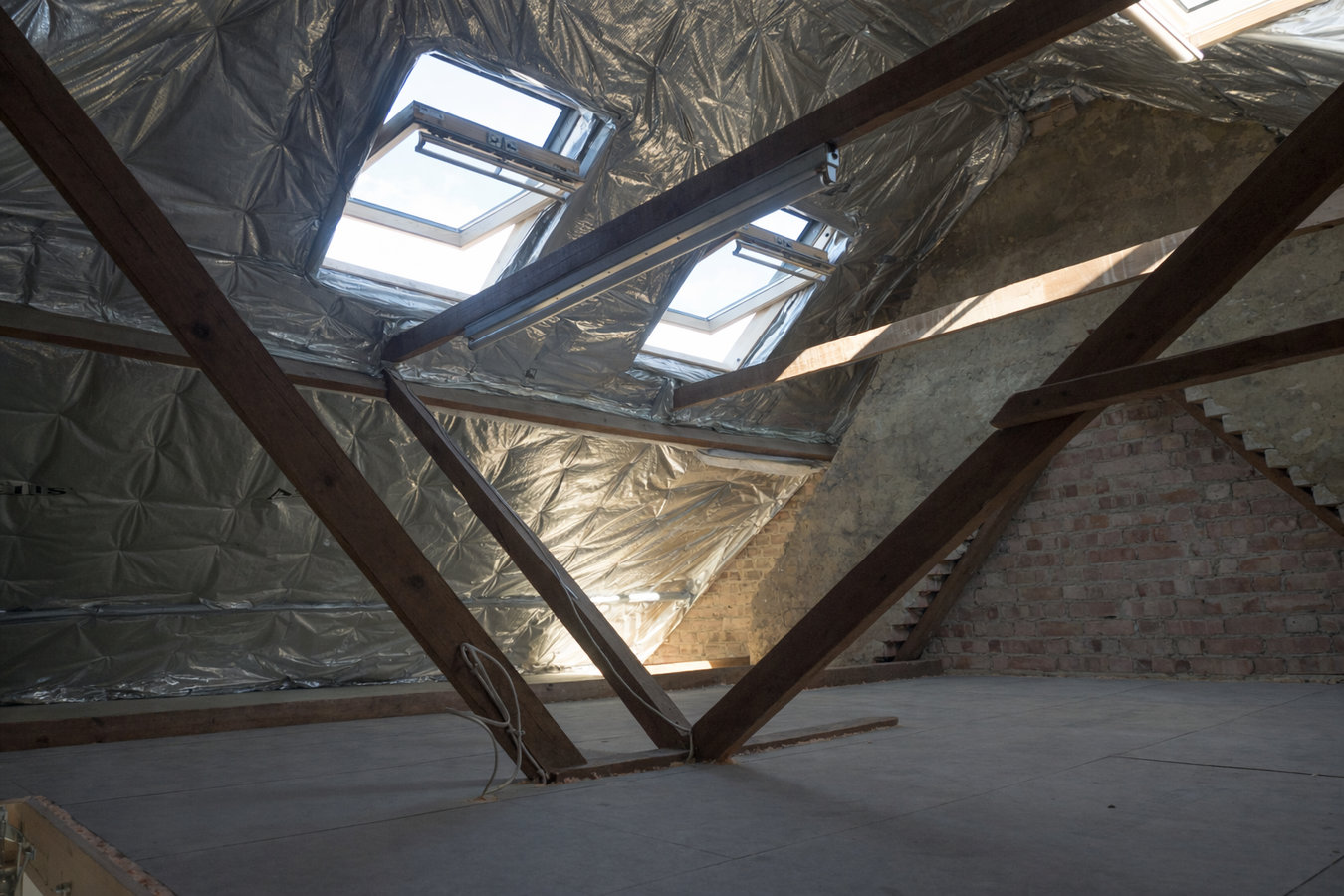
When your attic hits 150 degrees on a hot Highland afternoon, thin or aging insulation lets that heat pour straight into your living space. We upgrade attic insulation so your AC finally keeps up - and your electric bill reflects it.
Attic insulation in Highland, CA acts as a thermal barrier between your living space and the intense heat that builds up in your attic through the summer, and most standard home upgrades are completed in a single day. When that barrier is thin, missing, or degraded - as it is in many Inland Empire homes built before 1990 - heat radiates down through your ceiling all afternoon, and your air conditioner runs almost continuously trying to compensate.
The fix is straightforward: add enough insulation to meet California's current performance standards for this climate zone, and seal the air gaps around light fixtures and plumbing penetrations first. Most homeowners notice a difference in comfort and energy use within the first week. For homes that also have significant air leakage, pairing attic insulation with attic air sealing delivers the biggest combined impact on your bill.
According to the U.S. Department of Energy, properly air-sealing and insulating your attic can cut heating and cooling costs by 10 to 20 percent or more - a meaningful number when your AC runs for six or more months a year.
If your AC runs for hours on a hot Highland afternoon and the top-floor rooms still feel stuffy and warm, heat is likely pouring in through an under-insulated attic. This is one of the most common complaints from homeowners in the Inland Empire during summer and a reliable sign your attic insulation is not doing its job.
Highland summers are long and hot, and your bill should reflect that - but if it seems unusually high compared to neighbors with similar-sized homes, poor attic insulation is often the reason. When heat pours through the ceiling, your AC compensates by running almost constantly, and that shows up fast on a Southern California Edison bill.
If you peek into your attic and can see the tops of the wooden beams sticking up above the insulation, your coverage is too thin. Properly installed insulation should completely cover those boards - if you can see them, you are losing a significant amount of heating and cooling energy.
If smoky or dusty air seems to find its way into your home during Inland Empire fire season or on high-pollution days, gaps in your attic's air barrier may be letting outside air in. A well-insulated and properly sealed attic reduces how much outdoor air pollution gets into your living space.
We handle the full range of attic insulation work - from adding coverage to an existing attic with thin or degraded material, to complete removal and replacement when old insulation has been damaged by moisture or pests. Every job starts with air sealing the penetrations around light fixtures, pipes, and HVAC equipment before any new insulation goes in. Skipping that step is the most common reason homeowners do not see the energy savings they expected. For attics where coverage needs to be added to an existing layer, blown-in insulation is often the most practical choice - it fills odd-shaped spaces and settles evenly without tearing out what is already there.
When an attic has significant air leakage in addition to thin insulation, we often recommend combining the two treatments in a single visit. That approach - thorough attic air sealing followed by a full depth of blown-in or batt insulation - consistently produces the biggest improvement in home comfort and utility costs.
New insulation for under-insulated or uninsulated attics - the most impactful single upgrade for most Highland homes.
Adding coverage over existing insulation to bring your attic up to current California performance standards.
Complete removal of damaged, contaminated, or pest-affected insulation followed by a clean new installation.
Closing the gaps around lights, pipes, and attic penetrations first so new insulation delivers the savings it should.
A significant portion of Highland's residential neighborhoods were built in the 1960s through 1980s, when insulation standards were far lower than they are today. On a hot summer afternoon in the Inland Empire, an attic with thin or aging insulation can reach 150 degrees - and that heat radiates straight into the rooms below. Homes near the foothills where Highland meets the San Bernardino Mountains face extra stress from wind and temperature swings as well. If your home is more than 30 years old and the attic has never been checked, there is a reasonable chance you are losing a significant amount of conditioned air every day.
Wildfire smoke is another local factor worth noting. During fire season, gaps in attic insulation are one of the main ways outdoor air - and the particles in it - gets into your living space. Homeowners in Loma Linda and Yucaipa face the same conditions. The ENERGY STAR Seal and Insulate program specifically identifies attics as the highest-priority area for energy upgrades in homes like those common in Highland.
We respond within 1 business day. Tell us your home's approximate size, how old it is, and whether you have noticed specific problems like hot upstairs rooms or high bills. There is no cost and no obligation to reach out.
A contractor visits your attic to measure what is already there, check for air leaks, and look for any moisture or pest issues that need to be addressed first. This visit takes 30 to 60 minutes and is free. You get a written estimate explaining exactly what is recommended and why.
The crew seals air gaps first - around light fixtures, pipes, and any other openings - then installs the insulation. Most Highland homes are done in a single day. The crew protects your floors and cleans up the work area before leaving.
Before the crew leaves, they confirm the depth of coverage and leave you with documentation showing the insulation type, depth, and effective R-value. Keep this paperwork - you will need it to claim rebates through Southern California Edison or apply for federal tax credits.
We respond within 1 business day. A free on-site assessment means you will know exactly what is in your attic, what it should have, and what it will cost to get there - before you commit to anything.
(909) 737-6056Every job is properly documented and done to California code - which matters when you apply for rebates or eventually sell your home. You get a clear record of the work from start to finish.
We will show you exactly what is in your attic, explain what the measurements mean in plain terms, and recommend only what your home actually needs. If a smaller fix will do the job, we will say so.
We have worked in hundreds of Inland Empire homes and know the specific conditions that affect houses built in this region - from the clay soil movement to the Santa Ana winds and the heat patterns that make attic performance so critical here.
Southern California Edison rebates and federal tax credits require specific documentation from your contractor. We provide that paperwork with every job so you can file your rebate without chasing anyone down.
We know what a Highland home needs because we work in them every week. Call or submit a request online and we will get back to you within 1 business day.
Blown-in insulation is a common choice for upgrading existing attics - it fills gaps and settles evenly without tearing out what is already there.
Learn MoreAir sealing the gaps in your attic before adding new insulation is the step that makes the biggest difference in energy savings.
Learn MoreThe longer your attic runs hot, the more your electric bill absorbs it. Call us or submit a request and we will respond within 1 business day.