
Loading...
Serving Highland, CA and surrounding areas. (909) 737-6056
Highland Insulation serves Rialto, CA with spray foam insulation, attic insulation, and air sealing for the city's tract and postwar homes - a locally owned insulation contractor that responds within one business day and knows what Rialto homes need in this climate.
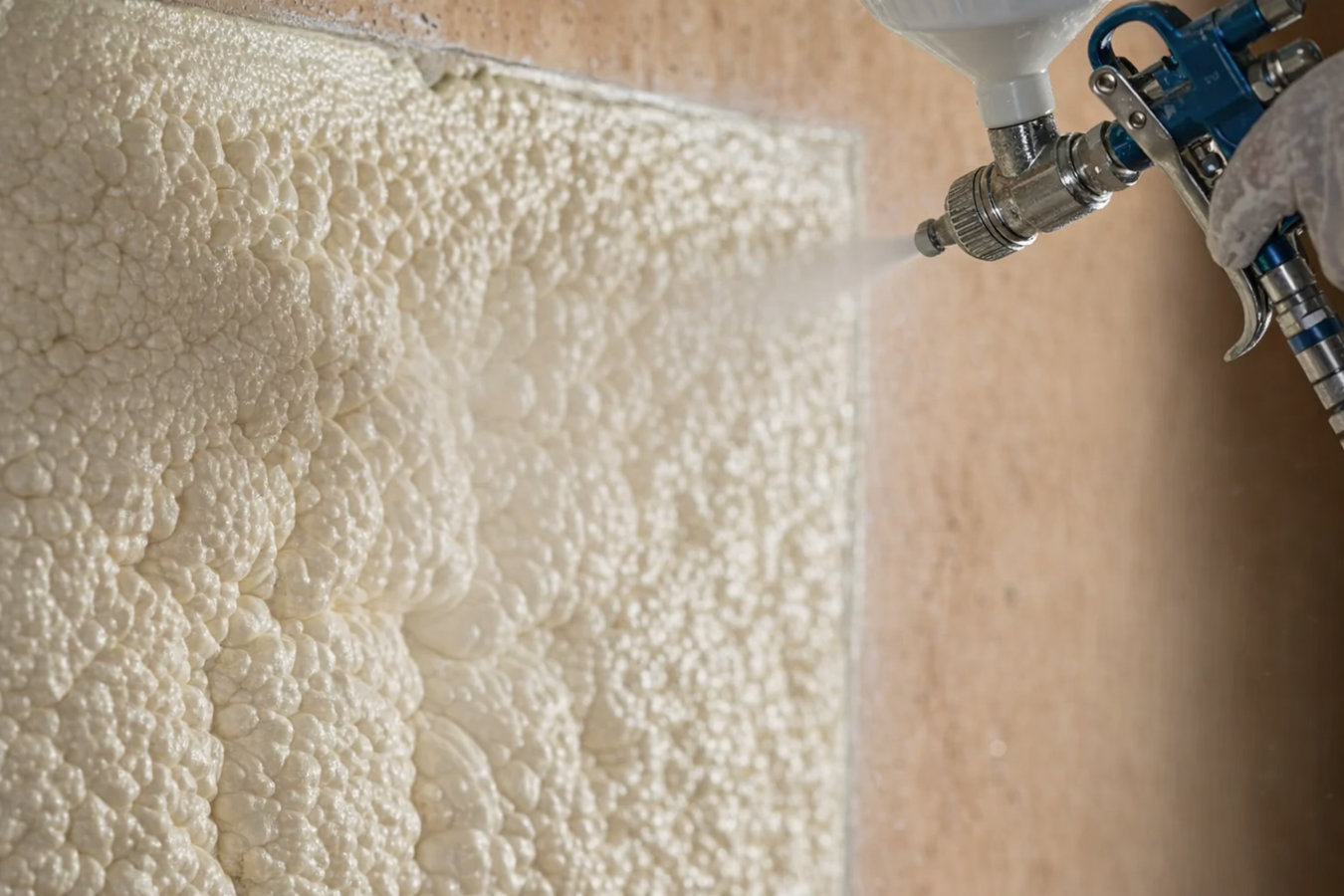
Rialto homes on concrete slab foundations benefit most from spray foam insulation at the attic deck and rim joists, where heat and air infiltration both enter. Closed-cell spray foam handles Rialto summers well because it maintains its R-value under extreme heat and seals air leaks at the same time, reducing the load on air conditioners that run hard from June through September.
Rialto attics sitting under dark tile or composition roofs absorb and hold heat all summer long, pushing temperatures well above what is comfortable downstairs. Upgrading attic insulation is consistently the highest-return improvement a Rialto homeowner can make for comfort and energy savings.
For Rialto's older tract homes with complex attic framing, blown-in cellulose or fiberglass fills cavities completely without opening walls or ceilings. It brings aging attics up to current California standards quickly, with minimal disruption to the home during installation.
Rialto's Santa Ana wind events push outside air into homes through every unsealed gap, and in older tract construction there are many - around recessed lights, attic hatches, and plumbing chases. Air sealing closes those paths before insulation goes in, which makes the insulation work the way it should.
Many Rialto homes from the 1960s and 1970s have little or no insulation in exterior wall cavities, which allows heat to conduct directly through stucco walls into living spaces. Adding wall insulation through drill-and-fill methods avoids opening drywall while making a real difference in how rooms feel in summer.
Rialto homes built in the 1960s through 1980s sometimes have original fiberglass batts that have been flattened or contaminated over the decades. Installing new insulation over degraded existing material rarely delivers the R-value you are paying for, and removal first is often the right call before any upgrade.
The bulk of Rialto's housing stock was built between the 1960s and 1990s, during a period when California's insulation requirements were far below current Title 24 standards. Homes from that era were typically insulated to minimum code at the time of construction - which means decades of hot summers have been pushing heat through undersized attic insulation and uninsulated wall cavities every single year. Rialto sits in the Inland Empire at about 1,200 feet elevation, and summer temperatures regularly climb past 100 degrees, sometimes reaching 110 during heat waves. That sustained heat load is the primary reason Rialto homeowners call us - their air conditioners are running constantly and the bills keep climbing.
The clay soils common across the Inland Empire, including Rialto, expand when wet and contract when dry - and that movement opens small gaps at sill plates and around foundation penetrations over time. Santa Ana winds arrive every fall and drive outside air through every unsealed gap in the building envelope, making those small openings matter more than they might in a calmer climate. Newer subdivisions near the 210 Freeway on the north side of Rialto have better baseline insulation, but still often benefit from air sealing improvements. Knowing which part of Rialto a home is in, and when it was built, shapes the approach we take before we ever quote a job.
Our crew works throughout Rialto regularly, and we pull permits through the City of Rialto Building and Safety Division when the project scope requires it. We have worked on homes across the city - from the older neighborhoods near Rialto City Hall on Riverside Avenue to the newer two-story homes in subdivisions off the 210 Freeway near the northern edge of the city. Those two eras of construction call for very different approaches, and we have done both often enough to know the difference.
The areas near Eisenhower High School and the central residential streets represent classic Inland Empire tract construction from the 1960s and 1970s - single-story stucco homes on slabs with composition roofs that have been absorbing desert heat for 50 or more years. The northern neighborhoods near the 210 tend to have better-insulated attics from the start, but their larger footprints and tile roofs create their own thermal demands. Interstate 10 runs through the southern part of the city, and the neighborhoods on either side include a real mix of older homes and newer infill.
We also work regularly in neighboring Colton, CA, directly to the east, where a similar postwar housing stock and comparable climate conditions mean the insulation needs - and the solutions - overlap considerably. If you have neighbors in Colton who have worked with us, we likely know your street type well.
Call us at (909) 737-6056 or use the contact form, and we will follow up within one business day. You do not need to come in with a plan - describing the problem you are experiencing is enough to get started.
We schedule a visit to your Rialto home, inspect the attic, walls, and any specific areas of concern, and provide a written estimate at no charge. The assessment also addresses any cost questions before you make a decision.
Most Rialto insulation projects are completed in one day. The crew manages all equipment, installation, and cleanup - you can be home during the work and we leave the space clean when we finish.
Before leaving, we walk you through what was done and answer any follow-up questions. Permit inspections, when required, are coordinated by us - you do not have to chase the city yourself.
We come to your Rialto home, assess what is needed, and give you a written quote with no obligation and no pressure to decide on the day.
(909) 737-6056Rialto is a city of roughly 103,000 people in San Bernardino County, located about 55 miles east of downtown Los Angeles between Fontana and San Bernardino. It sits on a flat valley floor at around 1,200 feet elevation, with the San Gabriel Mountains visible to the north. The city grew quickly in the postwar decades as the Inland Empire expanded, and most of its residential neighborhoods reflect that growth - wide residential streets, tract-built single-family homes, and a grid layout that extends from the Interstate 10 corridor up toward State Route 210. Rialto Airport on the west side of the city, also known as Miro Field, is a longstanding local landmark. You can read more about the city on the Rialto, California Wikipedia page.
Single-family homes dominate the housing stock, with the majority sitting on lots of 6,000 to 8,000 square feet and featuring stucco exteriors, concrete slab foundations, and two-car garages. Homes closer to the city center and the Interstate 10 corridor are mostly from the 1960s and 1970s, while the northern sections near the 210 include newer subdivisions built from the 1990s onward. The Rialto Unified School District serves over 24,000 students across more than 30 schools, which reflects how family-heavy the residential areas are. Neighboring areas Fontana to the west and San Bernardino to the east share similar housing stock and climate challenges, and we serve all three communities.
Creates an airtight seal that improves energy efficiency and comfort.
Learn MoreSafe removal of old or damaged insulation to prepare for fresh installation.
Learn MoreProtects floors from cold and moisture while improving energy performance.
Learn MoreSeals drafts and gaps to stop conditioned air from escaping your home.
Learn MoreHigh-density foam providing superior thermal resistance and moisture control.
Learn MoreLightweight foam offering excellent soundproofing and air sealing performance.
Learn MoreEnergy-efficient insulation solutions for commercial and industrial buildings.
Learn MoreBlocks ground moisture from entering your crawl space and living areas.
Learn MoreUpgrades insulation in existing homes without major construction disruption.
Learn MoreContact us today for a free in-home estimate - no obligation, no pressure. We respond within one business day and schedule around your availability.