
Loading...
Serving Highland, CA and surrounding areas. (909) 737-6056
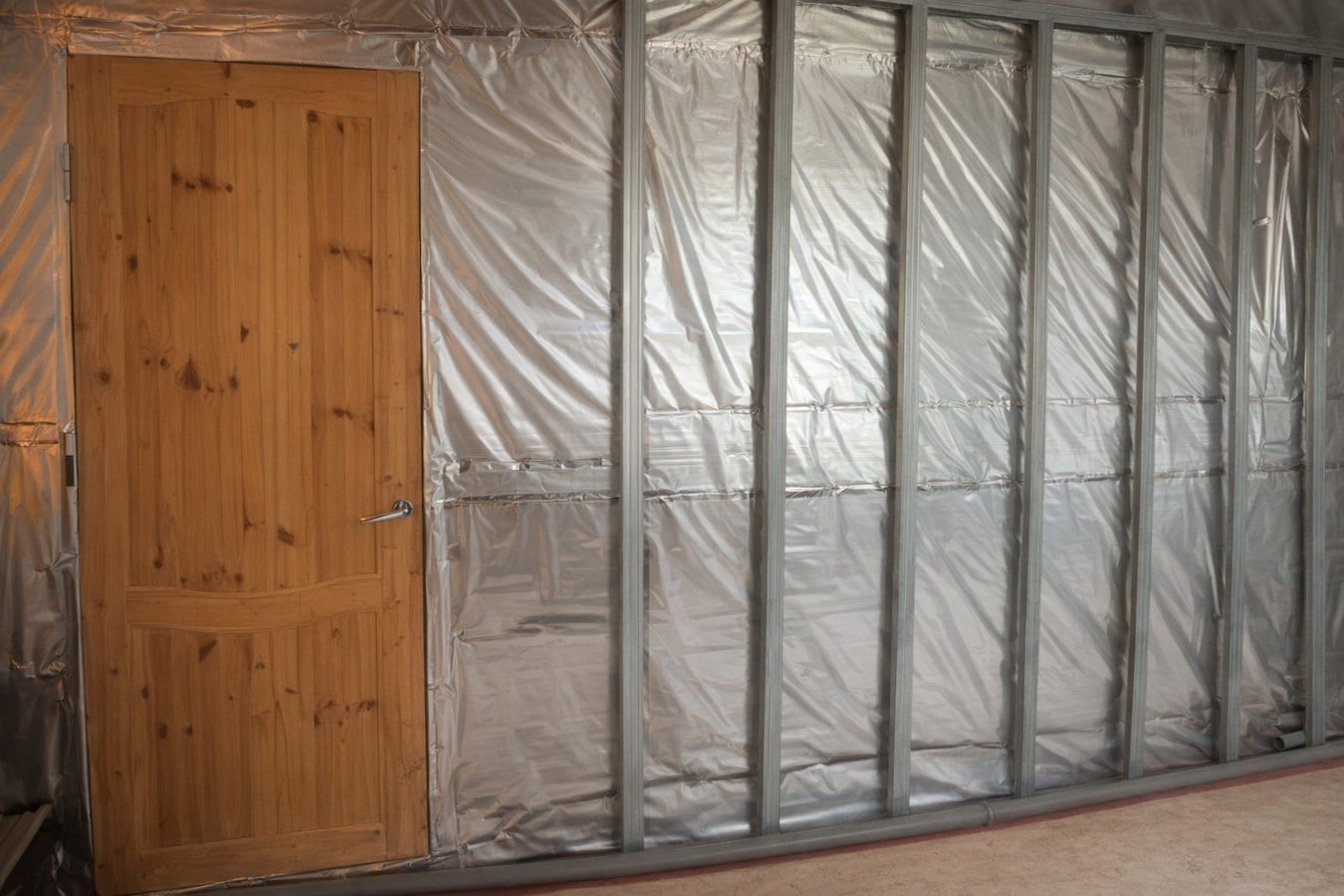
Ground moisture under your Highland home does not stop moving just because the weather outside is dry. Proper vapor barrier installation puts a real barrier between your floors and the soil below.
Vapor barrier installation in Highland, CA means placing heavy-duty plastic sheeting across the ground of your crawl space or basement to block moisture from rising out of the soil and into your home's floor structure, and most single-family crawl space jobs are finished in one day.
The Inland Empire's dry climate tricks a lot of homeowners into thinking moisture is not a problem. But the soil beneath older Highland homes retains water from winter rains and irrigation year-round, and that moisture moves upward into crawl spaces regardless of how dry the air feels outside. Homes built before the 1990s rarely have adequate protection in place. Installing a barrier now addresses the moisture path before it causes floor damage, mold growth, or pest activity. If you are also concerned about how your home holds temperature, vapor barrier work pairs naturally with crawl space vapor barrier services that include insulation as part of the same project.
For technical background on how moisture moves through soil and why vapor barriers are a recommended standard, see the U.S. Department of Energy guidance on crawl space insulation and moisture.
A bounce or give when you walk across certain parts of your floor often signals that the wood subfloor has absorbed moisture over time. In Highland homes built before the 1990s, this kind of damage is common because older crawl spaces were rarely sealed properly. Catching it early - before the framing itself is affected - saves a significant amount of money in repairs.
A musty or earthy smell that appears after Highland's rainy season is a strong signal that moisture is moving up from the soil into your home's structure. The smell often fades as summer arrives and the soil dries out - which can make homeowners think the problem resolved itself. It has not. The moisture cycle will repeat every year until the source is addressed.
Water droplets on pipes, rust on metal fasteners, or chalky white stains on foundation walls all indicate ongoing moisture exposure under your home. Each of those signals means moisture is present consistently enough to leave a mark - and your floor structure is absorbing some of that same moisture over time.
Many Highland homes from the 1960s and 1970s either have no barrier at all or have thin plastic sheeting that has degraded over decades. If a plumber, pest inspector, or HVAC technician has ever mentioned the crawl space looked wet, dirty, or poorly covered, that is a direct signal to follow up with a proper inspection and installation.
We start every vapor barrier job with a crawl space assessment - no phone guesses, no square-footage formulas. We go under your home, check what is there, measure the space, and document anything that needs to be addressed before new material goes in. If old, torn, or degraded sheeting needs to come out first, we handle that removal and disposal as part of the project. Once the space is clear, we install heavy-duty polyethylene sheeting across the entire ground surface - overlapping seams by at least 12 inches, sealing them with tape, running the edges up the foundation walls, and fastening them securely so nothing shifts over time. For homeowners who want additional protection, we also discuss full attic air sealing to address moisture and air movement at both ends of the home's envelope.
Installation is low-disruption - the crew works entirely in the crawl space while your daily routine continues above. Most jobs are done in a single day. When the work is complete, we walk you through what was installed, explain what to watch for over the next rainy season, and give you a written record of the materials used. The barrier is effective immediately - no curing period, no waiting.
Full ground coverage with heavy polyethylene sheeting for homes that have bare soil or no existing protection - the most common job in Highland's older housing stock.
Removal of old, thin, or torn plastic followed by installation of a properly spec'd barrier - suited to homes where some protection exists but has long since stopped doing its job.
A more complete installation where the barrier is extended up the foundation walls and mechanically fastened - recommended for homes in lower-lying Highland neighborhoods or those with a history of standing water in the crawl space.
For crawl spaces that need cleaning, debris removal, or old insulation cleared out before new material can go in - we handle the full scope in one visit so you are not managing multiple contractors.
Highland's location in the San Bernardino Valley gives it a climate that surprises a lot of homeowners. Summers above 100 degrees make moisture feel like someone else's problem - but the soil beneath older homes retains water from winter rains and irrigation for months, and that ground moisture moves upward regardless of the season. Parts of Highland are also situated near the Santa Ana River corridor, where seasonal groundwater movement after heavy winter rains puts extra pressure on crawl space barriers in lower-lying areas. Homeowners in Loma Linda and neighboring communities deal with the same soil and drainage patterns - this is a regional issue, not a house-by-house exception.
The fall and winter Santa Ana wind events that sweep through the Inland Empire add another layer to the problem. Those rapid swings from hot and dry to cool and damp cause wood framing to expand and contract repeatedly, which accelerates wear on any existing moisture protection. And the pressure changes that come with strong wind events can pull air - and whatever is in it - up from an unprotected crawl space into your living areas. Homeowners in Colton and throughout the valley experience the same seasonal pattern. A properly installed vapor barrier stabilizes conditions under your home across all of those seasonal shifts.
We ask a few basic questions - your home's age, whether you have noticed moisture or smell, and whether you know if a barrier is already in place. We respond within 1 business day and schedule a free on-site inspection that typically takes 30 to 45 minutes.
We go under the house, check existing conditions, take measurements, and note anything that needs to be addressed before installation. You receive a written estimate that breaks down the work clearly - no vague line items and no surprise charges on the day of the job.
Old damaged material, debris, or signs of pest activity get cleared out before the new barrier goes in. This prep is included in your quote upfront - you do not need to do anything to prepare the space before the crew arrives.
The crew installs the full barrier in one day for most homes. Before leaving, we show you or photograph the finished space and give you written documentation of what was installed so you have a clear record going forward.
We inspect first, quote in writing, and complete most installations in one day. No pressure, no obligation.
(909) 737-6056Every vapor barrier job starts with a physical crawl space inspection at no charge. We look at what is actually under your home before quoting anything - so the price you receive reflects your specific space, not a formula.
When the job is done, we walk you through the finished crawl space or share photos so you can see what was installed. You also receive written documentation of the materials and coverage - something you will want on hand if you ever sell your home or need to make a warranty claim.
Not every crawl space needs full encapsulation. We tell you honestly what we find and recommend only what is appropriate for your home's conditions. If a standard barrier is enough, that is what we will quote - not a more expensive scope you do not need.
If the scope of your project requires a permit through San Bernardino County Building and Safety, we handle the application and scheduling so you do not have to manage the process yourself.
Good vapor barrier work should be straightforward and documented. We bring that standard to every job in Highland and the surrounding Inland Empire communities - so you are not left guessing whether the work was done correctly.
Air sealing for attic bypasses and gaps that allow conditioned air to escape and outdoor air to enter your Highland home.
Learn MoreGround-level moisture protection for crawl spaces, covering the soil with sealed heavy-duty sheeting to stop moisture at the source.
Learn MoreHighland's winter rains arrive in December and the clay soil saturates fast. Call now or send a message - we respond within 1 business day and can usually schedule your inspection within the week.