
Loading...
Serving Highland, CA and surrounding areas. (909) 737-6056
An uninsulated basement lets heat in all summer and cold seep up through your floors all winter. We insulate basement walls and ceilings so your home stays comfortable and your HVAC runs less.
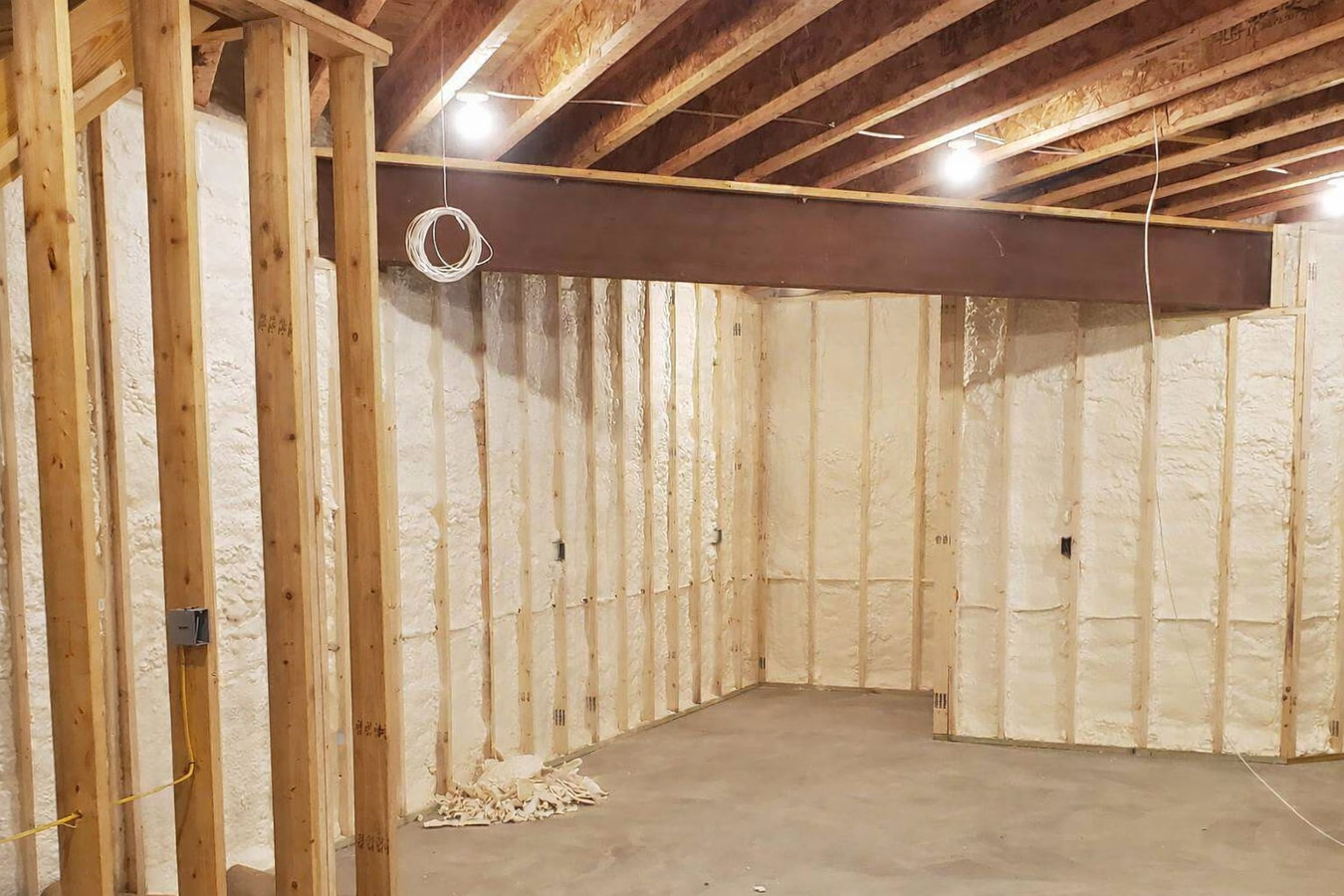
Basement insulation in Highland, CA creates a barrier between outdoor air and the living space above - installed on basement walls, ceiling, or both depending on how the space is used - and most residential jobs are finished in one to three days.
If the floors above your basement feel cold in winter or your AC runs endlessly in summer, an uninsulated or under-insulated basement is often the reason. Many Highland homes were built between the 1960s and 1980s when insulation requirements were a fraction of what California requires today. Basement insulation pairs well with crawl space insulation to address all below-grade areas in one project. The U.S. Department of Energy identifies basement insulation as one of the most effective upgrades a homeowner can make to reduce heating and cooling costs.
If the rooms directly above your basement feel cold underfoot during Highland winters even with the heat on, heat is escaping downward through an uninsulated ceiling. This is especially common in homes built before 1990, which make up a large share of the housing stock here. Insulating the basement ceiling creates noticeably warmer floors almost right away.
When your air conditioning cycles all day without getting your home comfortable, the basement is often part of the problem. Heat from the ground and outside air enters through uninsulated basement walls and works against your cooling system. Homeowners in Highland who insulate their basements frequently find their AC cycles off more often once the work is done.
A musty odor or white powdery residue on concrete walls - called efflorescence - are signs that moisture is moving through your foundation. Insulation installed over a damp wall will eventually fail and can promote mold growth. If you see either of these signs, a moisture assessment needs to happen before any insulation work begins.
Drafts at floor level often trace back to gaps in the basement air barrier where outside air sneaks in around the foundation. In Highland, where summer heat and cool winter nights both stress your home, those gaps mean your HVAC system is always fighting a losing battle. Sealing and insulating the basement together addresses both the drafts and the energy loss at the same time.
We install insulation on basement walls, ceilings, and rim joists using the material that fits each application best. For finished basements used as living space, wall insulation is typically the priority. For unheated, unfinished basements, insulating the ceiling - the floor of the room above - delivers the most noticeable comfort improvement. We check for moisture before recommending anything, because insulation installed over a damp surface will not perform the way it should. We also work alongside our closed-cell foam insulation service when walls have irregular surfaces or gaps that need a material that expands to fill every opening completely.
Many Highland homeowners combine basement insulation with crawl space insulation to cover the full below-grade area in one project. Addressing both spaces together often produces larger energy savings than doing either one individually, and can simplify the permitting process when only a single inspection is needed.
Best for finished basements used as living space - keeps conditioned air in and outdoor temperatures out through the concrete walls.
Suited for unheated basements where the priority is warming the floors in the rooms directly above.
Addresses a common air-leakage point where the floor framing meets the foundation wall - frequently overlooked in older Highland homes.
Ideal for irregular surfaces, pipe penetrations, and spots where batt or board insulation cannot achieve a complete seal.
Highland sits in the San Bernardino Valley where summer temperatures regularly top 100 degrees. That kind of sustained heat puts enormous pressure on your air conditioning, and an uninsulated basement allows warm air to enter from below at the same time your attic is radiating heat from above. A significant portion of Highland homes were built in the 1960s through 1980s with bare concrete block or poured concrete basement walls and little insulation. Older homes near downtown and in neighborhoods closer to Colton are among the most likely to have this gap. The San Bernardino area also sits near active fault systems, so basement walls here are often reinforced concrete - a wall type that works well with several insulation methods but requires a contractor who knows the local building conditions.
Moisture is a real concern in the Inland Empire, particularly during El Nino years when heavy rain can push water toward foundations in neighborhoods that stay dry most of the time. Insulation installed over a damp wall will fail prematurely and can create conditions for mold growth. We assess drainage and moisture before recommending any material. Homeowners in communities like Loma Linda and across the San Bernardino Valley face similar conditions, and we bring that same assessment process to every job.
We ask a few quick questions - basement size, finished or unfinished, any moisture or draft issues you have noticed. Most homeowners hear back within one business day to schedule an in-home visit.
We walk through your basement, check for moisture, measure the space, and explain what we recommend and why. You get a written estimate with no pressure to sign on the spot.
If your project requires a permit under California building code, we handle pulling it through the City of Highland before any work begins. That step typically adds a few days but puts the job on record.
The crew arrives, sets up protective coverings to contain dust, and completes the installation - typically one to two days. We walk you through the finished work before we leave and coordinate any required inspection.
Free estimate, no obligation. We assess your basement for moisture before recommending anything - so you know the investment will hold up.
(909) 737-6056We check for efflorescence, musty odors, and drainage issues before we ever recommend a material. Insulation installed over a wet wall fails fast - we catch that problem first so your investment lasts the way it should.
The San Bernardino area's seismic history means basement walls here are often reinforced concrete or concrete block. We work with these wall types regularly and use methods that attach correctly and hold up over the long term.
We handle permits through the City of Highland when your project requires them, and the work meets California energy standards. Every inspection gets passed, and you have documentation ready if you ever sell. We keep a full record of the completed work for your files.
You get a clear, itemized breakdown before anyone picks up a tool. We explain what we recommend, why we recommend it, and exactly what it costs. When the job is done, we walk you through the finished work before we leave.
We have worked on basements throughout Highland and the surrounding Inland Empire, from older concrete-block homes near downtown to newer construction in East Highland Ranch. Every job gets the same moisture check, written estimate, and walkthrough at completion.
Rigid, high-density spray foam that expands to fill gaps on irregular basement wall surfaces and delivers a high insulating value per inch.
Learn MoreComplete the picture below grade by insulating your crawl space at the same time as your basement for the strongest combined energy savings.
Learn MoreSummer heat arrives fast in the San Bernardino Valley - call us today for a free estimate and lock in your installation date before the busy season fills our schedule.