Loading...
Serving Highland, CA and surrounding areas. (909) 737-6056
Most Highland homes built before 1990 were never properly insulated. Retrofit insulation adds what was missing - without tearing down walls or moving out for a week.
Retrofit insulation in Highland, CA means adding blown-in, spray foam, or injected insulation to a home that is already built - filling the attic, walls, and crawl space without demolition - and most attic jobs are completed in a single day with no need to vacate your home.
If your air conditioner runs nonstop during Highland's triple-digit heat waves, or if your energy bills have been climbing without explanation, thin or missing insulation is often the reason. A significant share of Highland's housing stock was built in the 1950s through 1980s, when insulation standards were far lower than they are today. Whatever was installed in those homes has settled and thinned over the decades - and some homes in older neighborhoods had almost none to begin with. Retrofit insulation is often paired with home insulation services that assess your whole home and determine exactly where the gaps are before any work begins.
The U.S. Department of Energy lists insulation upgrades among the highest-return improvements a homeowner can make for energy savings. For an overview of insulation types and when each is appropriate, see the DOE insulation guide.
If your system runs all day during Highland's heat waves and your home still feels warm, your insulation may not be doing its job. A well-insulated home holds conditioned air much longer, so your system cycles on and off rather than running nonstop. Constantly running equipment also wears out faster and costs more to operate.
If your back bedroom or the room directly under the roof feels significantly warmer than the rest of the house, that is a classic sign of inadequate attic insulation. Heat radiates down through an under-insulated ceiling, making some rooms nearly unusable during Highland's hottest months. This is especially common in homes built before 1990 that have never had an insulation upgrade.
If your electricity bill has been rising year over year and you have not added new appliances or changed your habits, your home's thermal envelope may be the culprit. Southern California Edison customers in the Inland Empire often see dramatic bill spikes in summer - and inadequate insulation is one of the most common contributors.
On a hot afternoon, hold your hand near your attic access panel or near the top of an interior wall. If you feel warmth radiating from those surfaces, heat is moving through your ceiling or walls more freely than it should. It is a simple, no-tool test any homeowner can do, and it reliably points to thin or missing insulation.
We start every retrofit job with an honest in-home assessment - not a quote from the curb. We check existing insulation depth throughout your attic, look for air leaks around light fixtures, plumbing, and the attic hatch, and ask about your comfort complaints and energy bills before recommending anything. Good retrofit work always seals air leaks before adding insulation, because blown-in material on top of an unsealed attic floor leaves the biggest source of heat gain untouched. We coordinate both steps in a single visit when needed, so you are not managing two separate projects. For homeowners who also want the attic floor sealed at the same time, we integrate spray foam insulation around penetrations before laying blown-in material on top.
Installation day is straightforward. For attic jobs, a hose runs to the access hatch and the crew spreads material evenly from the far corners toward the exit, working to achieve consistent depth across the full floor. For wall insulation, small holes are drilled, material is injected, and openings are patched before the crew leaves. There are no strong odors with blown-in materials. You will have a written record of depth and coverage achieved before we leave - the documentation you need for Southern California Edison rebate applications and federal tax credit claims.
Fiberglass or cellulose blown evenly across your attic floor - the fastest, least disruptive way to bring an under-insulated attic up to code for most Highland homes.
Dense-pack insulation injected through small holes drilled from the exterior or interior - for homes with little or no wall insulation that want to avoid drywall tear-out.
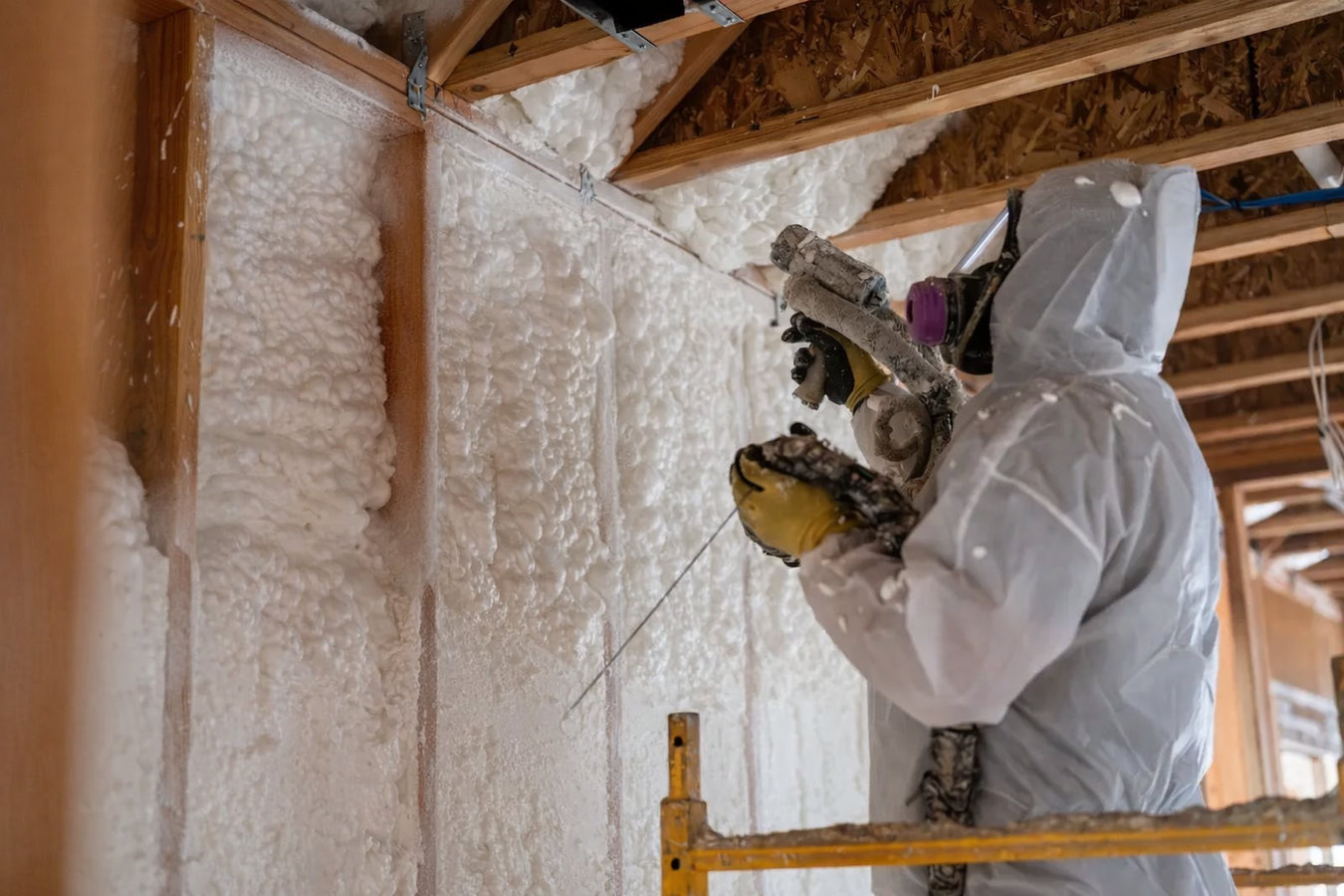
Applied to rim joists, attic knee walls, and around pipes and wires where blown-in material alone cannot create a complete air seal - often used in combination with other materials.
For attics with significant gaps around penetrations, we seal first and insulate second - the approach that captures the full energy benefit rather than just adding depth on top of existing leaks.
Highland sits at the base of the San Bernardino Mountains in the Inland Empire, where summer temperatures regularly exceed 100 degrees and heat waves push past 110. An under-insulated attic acts like a heat collector all afternoon, radiating warmth into your living space long after the sun goes down. Homeowners in neighboring San Bernardino and Colton face the same conditions - and the same payoff when insulation is brought up to modern standards.
The majority of Highland's residential neighborhoods were developed in the 1950s through the 1980s, when California's insulation requirements were a fraction of what they are today. Many of these homes were built with no wall insulation and only a thin layer in the attic - if any. Beyond the cooling season, Highland homeowners also deal with fall wildfire smoke events that get inside more easily when a home has significant air leakage. Retrofit insulation combined with proper air sealing addresses both the thermal problem and the infiltration problem at the same time, which matters especially for families with young children or anyone with respiratory concerns during fire season. The ENERGY STAR seal and insulate program outlines how these two improvements work together for the greatest combined benefit.
We ask your home's age, rough square footage, and what prompted your interest. We will not quote a price without seeing the home first - be cautious of any contractor who does. We respond to all inquiries within one business day.
We inspect your attic, check existing insulation depth, look for air leaks around lights and plumbing, and ask about your comfort complaints. This visit usually takes 30 to 60 minutes, and we explain what we find in plain language before recommending anything.
After the assessment you receive a written estimate showing what work will be done, what materials will be used, and the total cost. This is the right time to ask about SCE rebate eligibility and whether the materials qualify for the federal Inflation Reduction Act tax credit.
The crew completes the work, patches any access holes, and provides a written record of depth and coverage before leaving. Keep this documentation - you will need it for rebate applications, tax credit claims, and future home sale disclosures.
We assess your home in person before quoting anything, put everything in writing, and guide you through the SCE rebate process so your project costs less out of pocket.
(909) 737-6056Adding insulation on top of an unsealed attic floor leaves the biggest heat pathway untouched. We seal penetrations first and insulate second, which is how you get the full energy benefit - not just a thicker layer of material sitting over the same gaps that were always there.
We know Highland's permit requirements through San Bernardino County Building and Safety and pull permits when they are required. The work meets current California energy standards, and we document each job so you have a clear record if you ever sell your home.
We document depth, coverage, and materials used so you have everything needed to claim your Southern California Edison rebate and the federal Inflation Reduction Act tax credit - which covers up to 30 percent of qualifying insulation costs. This paperwork also matters when you sell your home, since energy upgrades are a documented selling point in the Inland Empire market.
Homes built in Highland between the 1950s and 1980s have specific characteristics - stucco exteriors, tile roofs, and construction practices that left walls and attics under-insulated by today's standards. We know what to look for in these homes and how to retrofit them effectively without causing damage to original materials.
Each of these points reflects one straightforward commitment: do the work right the first time, document it thoroughly, and make sure you benefit from every rebate and credit available to you.
Spray foam applied to attics, rim joists, and wall cavities during retrofit work - seals air leaks and insulates in a single step.
Learn MoreWhole-home insulation assessment and upgrade services covering attic, walls, and crawl space for complete thermal performance.
Learn MoreEvery summer you wait is another season of your AC fighting an under-insulated attic. Call today or send a request online - we respond within one business day and schedule assessments fast.