
Loading...
Serving Highland, CA and surrounding areas. (909) 737-6056
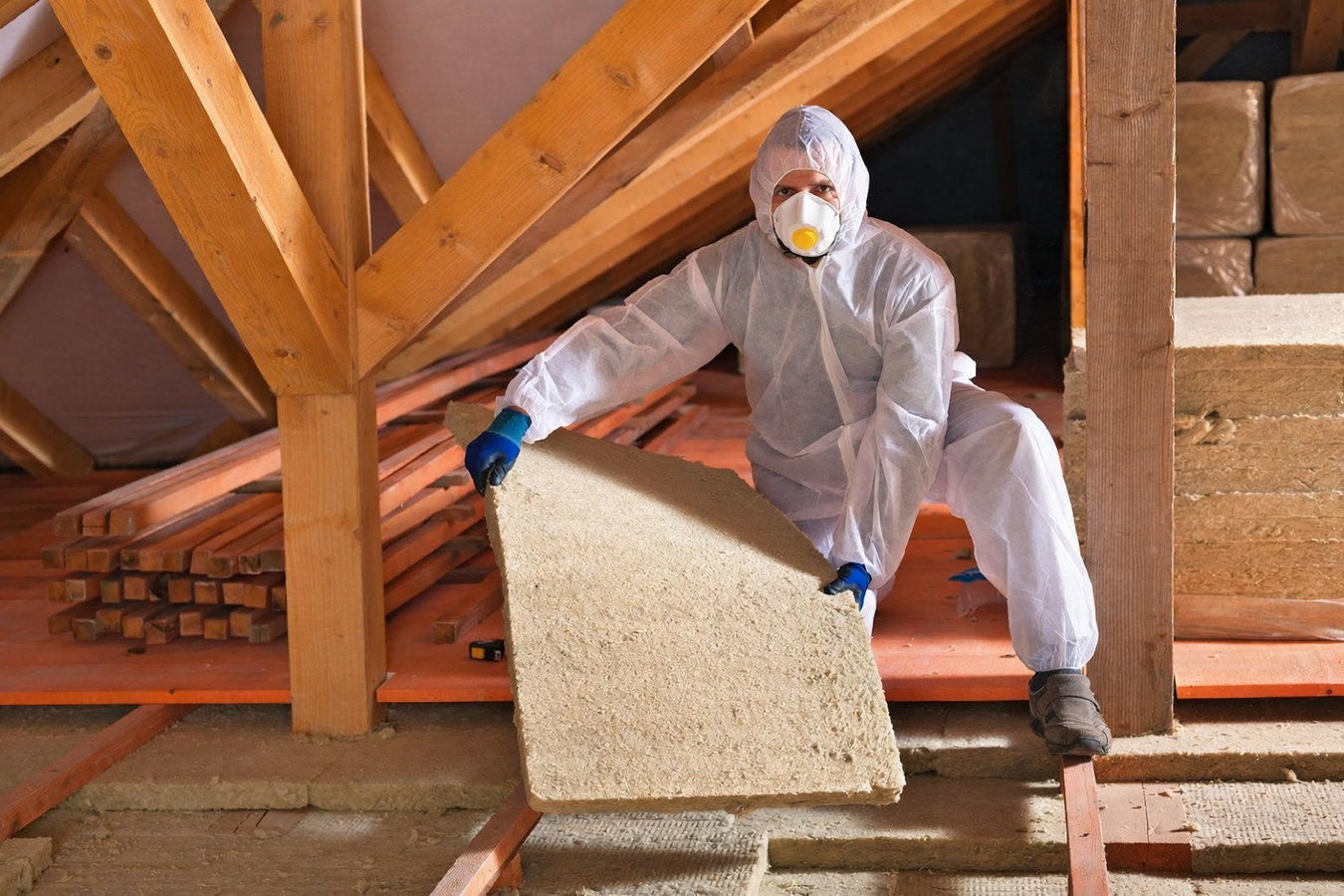
Bad or contaminated attic insulation makes your home harder to cool and your energy bills harder to manage. We remove the old material, inspect the space, and leave it ready for a fresh start.
Insulation removal in Highland means pulling out old, damaged, or contaminated material from your attic or crawl space using industrial vacuums and hand tools, then hauling it away so the space is clean and ready. Most attic jobs are completed in a single day.
If your home is more than 15 to 20 years old and the insulation has never been looked at, there is a good chance it is no longer doing what it was installed to do. Highland summers regularly push past 100 degrees, which compresses blown-in insulation over time. Rodent activity, moisture, and age each take their own toll. Layering new insulation on top of old material might sound like a shortcut, but it can trap moisture and hide damage that will cost more to fix later. When the time comes for crawl space insulation or attic work, a clean slate is the right starting point.
If your air conditioner runs longer and harder each Highland summer but your habits have not changed, degraded attic insulation is one of the first things worth checking. Sustained heat compresses blown-in insulation over time, forcing your cooling system to work overtime. The longer you wait, the more you spend.
Droppings, chewed materials, or sounds of movement in your attic are strong signals that pests have been nesting in your insulation. Once rodents move in, the material they have contaminated cannot simply be cleaned - it needs to come out entirely. This is a common problem in Highland homes after the fall and winter months.
Insulation from that era was often installed to standards well below today's recommendations, and some materials used at the time now require special handling. If you have never had the insulation in your attic or crawl space looked at and your home is 40 or more years old, a professional inspection is a reasonable first step.
Healthy blown-in insulation should look fluffy and relatively even. If what you see from the attic hatch looks matted, patchy, or stained, it is likely not performing well. Dark discoloration can also signal moisture intrusion - worth addressing before it grows into a larger problem that costs more to fix.
Our team handles full attic and crawl space removal using industrial vacuum equipment that contains dust and debris rather than spreading it through your home. We set up protective coverings before we start, work through the space systematically, and bag and haul away all material. After removal, we walk the space and note anything worth flagging - air gaps, moisture staining, pest entry points, or structural concerns. If you are planning on blown-in insulation as the replacement, we can sequence the jobs so you are not waiting between steps.
For homes built before 1985, we will discuss testing before anyone starts pulling material. California has detailed requirements for how potentially hazardous materials must be handled and disposed of, and we follow those rules - including proper chain-of-custody for anything that needs special disposal. We also handle permit questions upfront so you know what is required before the job starts. For more on what comes next after removal, see the U.S. Department of Energy guidance on air sealing, which is typically recommended before new insulation goes in.
Best for homeowners dealing with aged, compressed, or rodent-contaminated blown-in or batt insulation in the attic.
Suited for homes where fallen or damaged batt insulation under the floor needs to come out before new material can go in.
For homes where pest activity, mold, or moisture has compromised the insulation to the point where cleaning is not a realistic option.
Removal paired with a planned reinstall - we clear the old material and prepare the space so the new insulation performs from day one.
Highland sits in the San Bernardino Valley and regularly sees summer temperatures above 100 degrees. That sustained heat degrades blown-in insulation faster than in cooler climates - the material compresses and settles until it stops doing its job. Many neighborhoods in Highland were built during the city's growth period before incorporation in 1987, which means a significant share of homes are now 40 to 50 years old. Insulation installed during that era is often past its useful life and may include materials that require special handling before removal. Homeowners in Redlands and San Bernardino face similar conditions, and the work we do there follows the same local standards.
The Santa Ana winds that blow through the Inland Empire each fall also push fine dust and debris into attic spaces, creating conditions that attract rodents looking for warm nesting material. It is a cycle: wind season drives pests in, pests contaminate the insulation, and the insulation has to come out before anything new can go in. Add to that California's Title 24 energy efficiency standards, which apply when replacement insulation is installed, and you can see why choosing a contractor who knows the full process - from removal through reinstall - makes the job go smoother.
We respond within one business day. We will ask a few basic questions about your home's age, the size of the space, and any problems you have noticed - so we can come prepared with realistic expectations.
We go into your attic or crawl space to see what is actually there - the type and depth of insulation, any pest or moisture issues, and how accessible the space is. This is what makes the estimate accurate, and it is your chance to ask questions before you commit.
We set up protective coverings over floors and walls near the work area, run vacuum hoses from the attic to a collection unit outside, and work through the space systematically. Most attic jobs finish in a single day.
Once the material is out, we walk the space and note anything worth flagging - air gaps, moisture staining, pest entry points, or structural concerns. We clean up and give you a clear picture of what we found before we leave.
Free estimate. No sales pressure. We tell you what we find and give you a written quote you can compare.
(909) 737-6056Every estimate starts with someone actually going into your attic or crawl space. We do not price removal based on square footage alone, because the type of material, the level of contamination, and access difficulty all affect the job. You get a written estimate based on what we actually see.
For homes with rodent activity or suspected hazardous materials, we follow proper containment and disposal procedures - including recommending testing for older homes before work begins. The California EPA sets rules for how certain materials must be handled, and we follow them. You can review those guidelines at the U.S. EPA asbestos resources page.
Insulation work in Highland falls under San Bernardino County's Building and Safety Division. We know when a permit is required, we handle the paperwork, and we make sure the project is documented. You do not have to figure out the county's process on your own.
Highland is our base, and we work throughout the surrounding communities. If you know a neighbor in East Highland Ranch or the older neighborhoods near Base Line who needs this work done, we cover those areas too - same crew, same standards.
Every removal job we do is an opportunity to find the hidden problems that make future insulation perform better. When we leave, the space is clean, inspected, and ready for whatever comes next.
After your crawl space is cleared out, we install fresh insulation that holds up to Highland's heat and keeps your floors comfortable year-round.
Learn MoreOur most common attic replacement after removal - blown-in insulation covers evenly and reaches every corner without seams or gaps.
Learn MoreSummer is hard enough on your home - do not head into another hot season with insulation that is past its prime. Call us or request a free estimate online.